
Top 10 Summer Glow Up Tips for a Strong, Confident, Beach Body

Why I’m Sharing These Summer Glow Up Tips:
I remember before starting my fitness journey in April 2024, I knew I wanted to change and I wanted to feel and look my best.
Every January, I would convince myself that this is the year I finally stick to my goals and get my dream body. The vision of course: glowing, perfectly tanned skin, slim and toned with muscle definition, waking up on time every day without needing an alarm, and decent energy … then summer approaches and I’m still slightly fluffy, consistently tired and my fake tan looks ridiculously patchy because my skin is dry and flaky … you get the story.
But whenever I looked for summer glow up tips, it would always bring me to more general beauty tips – e.g – the best skin care products to use, whitenening teeth strips, exfoliation, fake tan etc.
Yet, no one seemed to mention any summer glow up tips for those who wanted to achieve this naturally, from the inside out.
I was drinking alcohol every weekend and doing a facemask in the evening and thinking the facemask would miraculously counter the alcohol and make my skin glow.
Spoiler: It didn’t and it doesn’t.
They also never factored time into the equation saying things like “it only takes 10 minutes”… when actually it took about 30. Which if you are anything like me – is about 20 mins too long! – This is all coming form someone trying to balance a full-time 9-5 job, alongside working out 5-6 times a week, studying for a degree, studying for a level 2 gym instructor qualification and trying to have a balanced social life.
Turns out the saying “you are what you eat” is partially true. But I prefer the saying “you are what you consume” – because it isn’t just about what you eat, it’s also about who you surround yourself with, the social media you consume, the TV you watch, the news you follow and yes, the beauty products you use.
When people search for summer glow up tips, they usually think extreme diets, hours of cardio, a ridiculously expensive or time consuming beauty product, or trying to “fix” their body before a holiday.
This list is different. These summer glow up tips focus on building confidence, energy, and healthy habits from the inside out.
These are realistic, sustainable glow up habits that actually make you feel better in your body, look healthier, and enjoy summer without burning out, banning food or spending a fortune.
Pin this post for later 📌
If you found these summer glow up tips helpful, save this post on Pinterest so you can come back to it whenever you need a reminder.
Some links in this post are affiliate links, which means I may earn a small commission if you choose to make a purchase, at no extra cost to you.
I only share products I personally use, or items I would genuinely recommend based on quality, reviews, and suitability for the habits discussed in this post.
Tip 1: Stop Chasing Weight Loss, Start Chasing Habits

I see it all the time on social media: “Your summer body is built with your winter habits.” And honestly, it couldn’t be more true.
What you do when it’s cold, dark, and miserable outside, is what builds the body you want to feel confident in come summer.
That doesn’t mean forcing yourself through insane HIIT workouts every day or trying to lose as much weight as possible. It means building consistent habits that you can actually carry into summer and feel proud of sticking to.
And if you’re reading this after summer, maybe in October, November, or December, please don’t wait until January to start. There’s no magic reset date. Just start now. You won’t regret it.
The key is to start gradually.
Instead of fixating on the big picture goal:
Big goal: A strong, confident summer beach body.
We need to break that down into small, manageable daily habits that feel achievable.
Your smaller goals might look something like this:
- For the next 4 weeks, I will eat a high-protein breakfast containing at least 30 g of protein on at least 5 days per week. I will plan my breakfasts in advance and use protein powder if needed to boost my intake.
- For the next 4 weeks, I will aim to complete 5,000 steps per day on at least 4 days per week. I will track this using my smartwatch.
- For the next 4 weeks, I will meal prep a high-protein lunch every Sunday containing at least 35 g of protein, enough for 4 lunches per week. I will use meal prep containers so each meal is ready to grab.
- For the next 4 weeks, I will use my resistance bands to do gentle at-home workouts at least 3 days per week (Tuesday, Thursday, and Saturday).
You’ll notice all of these are 4-week goals. That’s intentional.
Most habits take around 21 days to build. I like setting goals for no longer than 4 weeks so the habit has time to form, with an extra week to really cement it. It also makes the goal feel far less overwhelming, which means you’re much more likely to stick to it and let the bigger results follow naturally.
I’ve linked the protein powder, meal prep containers, and resistance bands I personally use and travel with. Anything that makes your habits easier to stick to is always worth it.
For context, I train quite frequently and track my food now, but this is something I built up to over time. It works for me because I enjoy it, not because I feel like I have to.
Tip 2: Eat Enough Protein (Without Turning Meals Into a Maths Problem)
Protein is one of the most talked-about nutrients in fitness, and for good reason. If you’re exercising regularly and trying to build or maintain muscle, protein plays a key role. It helps build and preserve muscle, supports recovery, keeps you fuller for longer, and contributes to that strong, toned look many people associate with a “beach body”.
That said, more isn’t always better.
I was once told I wasn’t eating enough protein, even when I was consistently hitting around 160–170 g per day. I’m here to tell you that, for most people, that advice is simply unnecessary. Unless you’re training at an elite level or doing very intense sessions every single day, you do not need extreme protein intakes to see results.
Protein needs are individual and depend on factors such as body weight, height, gender, training style, and overall goals. If you’re unsure, it’s always worth doing your own research or seeking guidance from a qualified personal trainer.
As a general guideline, most people looking to build or maintain muscle do well aiming for around 1.6–2.2 g of protein per kilogram of body weight per day.
For example, if you weigh 70 kg, that works out to roughly 112–154 g of protein per day.
Once you have a rough daily target, the easiest way to make it feel manageable is to spread it across the day. So if your goal is around 120 g of protein, that could look like:
- Three meals with roughly 30 g of protein each
- Two snacks with around 15 g of protein each
Simple, no overthinking required.
To give you a visual idea, around 30 g of protein could look like:
- 100 g cooked chicken breast
- Half a tin of tuna with two slices of wholemeal bread and 30 g of cheese (yes, a tuna melt absolutely counts)
- 200 g low-fat Greek yoghurt with 20 g granola and 1/3 scoop of protein powder
If you are interested here is how I get 160g of protein per day without thinking too much about it!
I’m genuinely glad I ignored the advice to keep pushing my protein higher. Lowering my intake slightly gave me more room to prioritise other important nutrients like fibre and healthy fats, which improved my overall diet and how I felt day to day.
I get most of my protein from whole food sources like lean meats, eggs, and Greek yoghurt. However, there are times when it can be difficult to consistently hit my protein target.
This is why I also use protein supplements. The ones I reach for most are whey protein powder and protein bars, especially when I’m busy or on the go.
If you’re curious, I’ve shared a full ranking of the best Protein Works flavours and a breakdown of my current Protein Works stack and how I use it day to day, which might make hitting your protein intake feel much easier.
Tip 3: Lift Weights (You Won’t ‘Bulk’ Before Summer)

This is probably my favourite tip, because it’s one that’s still massively misunderstood. When people say they want to “tone up”, they often turn to crash diets and endless cardio.
That approach rarely delivers the results people are actually hoping for.
The word toned is really just a nicer way of saying visible muscle with lower body fat. And here’s the important part: if there isn’t much muscle there to begin with, losing fat alone won’t magically create that sculpted look.
You need to build the muscle too. And that means lifting weights.
Lifting weights will not make you bulky. To become noticeably bulky, you’d need to eat a large amount of food consistently and train very specifically for muscle size. For women especially, building large amounts of muscle is slow and difficult. It doesn’t happen overnight, or in a few months, or even in a year.
With the right training plan, lifting weights will make you look firmer, more sculpted, and stronger, not bigger, unless building size is your goal. Muscle gives your body shape, improves posture, and often makes clothes fit better. Confidence tends to follow.
Like nutrition, training should be individual. But if you’re new to weight training, it doesn’t need to be complicated. A simple starting point is working each muscle group at least once per week. That’s enough to see progress without burning yourself out.
For example, my current strength training split looks like this:
- Monday – Upper body
- Wednesday – Full body
- Friday – Legs
I’m talking specifically about weight training here. I also do cardio and other forms of movement on different days, but keeping things simple at the start is key.
And just because I train in a gym now doesn’t mean you need to start there. I began my strength training journey with resistance bands, and yes, they really do work. Resistance bands are affordable, easy to store, and ideal if you’re training at home, travelling, or feeling unsure about the gym environment.
If resistance bands aren’t your thing, another great option, especially if you want something a little more challenging than resistance bands, is an adjustable dumbbell set.
Even though sets like this can go up to higher weights (for example, 30 kg in total), the key benefit is that they can be adjusted right down to very light weights. This means you can start with as little as 2–5 kg per dumbbell and gradually increase the load over time as you get stronger.
Adjustable dumbbells are a great investment if you want to train at home long-term, as they allow you to progress without needing a gym membership or constantly buying heavier weights.
If you are training in a gym, basic accessories like lifting straps or additional resistance bands can also be useful once weights start to feel heavier, as they help with grip and allow you to focus on the muscles you’re actually trying to train. These are great for exercises like pull-ups
Tip 4: Build a “Glow Up” Morning Routine (Not a 5am One)

I won’t lie, I’m now someone who sets their alarm for 5:30 am and aims to be in the gym by 6:15 am. But I was not always like this.
I used to desperately try to become a “5 am girl” without any real purpose. I’d set my alarm, wake up early, and then spend the next hour or two doom scrolling Instagram before rushing to get ready for work. Unsurprisingly, that didn’t change my life.
My advice is simple: if you’re going to wake up early, make it count.
Becoming an early riser can be a game-changer, but only if you know exactly what you’re using that time for and still prioritise your sleep. Otherwise, it’s just waking up earlier for the sake of it
That time might look different for everyone. If you’re studying, it could be an uninterrupted hour of work. If you’re a parent, it might be quiet time with your partner before the day starts. But if you’re here for summer glow up tips, this is how I’d use it.
First prioroty: hydration. I always start my morning by rehydrating properly after a night’s sleep. This usually includes greens, creatine and electrolytes mixed into a big glass of water. Having everything ready the night before means I don’t have to think about it in the morning.
My other prioroties are:
A protein-focused breakfast.
This doesn’t need to be complicated, but starting the day with protein makes a huge difference to energy levels and hunger later on.
Movement.
This could be a gym session, a short walk, or a quick at-home workout using dumbells and/or resistance bands) It doesn’t have to be intense, it just needs to happen consistently.
I personally prefer training in the morning because it removes decision-making later in the day. When workouts are left until the evening, it’s much easier to find reasons not to go. Early mornings are quiet. No one is asking you to go for breakfast at 5 am, so getting it done early often makes the rest of the day feel lighter and more energised.
If you’re training in the morning, a simple structure that works well is:
- Hydration first
- A light snack with some carbohydrates and a little protein (for example, half a slice of toast with peanut butter and half a banana)
- Your workout
- A protein shake
- A proper high-protein breakfast with carbohydrates, such as overnight oats, protein oats or eggs on toast.
I don’t rely on motivation for this. I rely on systems. Having things like a blender or shaker bottle ready to go, and supplements already measured out, removes friction and makes the routine feel automatic rather than effortful.
I’ve linked the tools and supplements I use to support my morning routine, in case they help make yours easier to stick to.
Tip 5: Eat Foods You Actually Enjoy
This is one I really want you to listen to, because I didn’t at first. I spent far too long forcing myself to eat “high-protein meals” that, if I’m honest, just weren’t very nice. Cottage cheese with pineapple, for example… absolutely not.
If I’m going to eat cottage cheese, it’s going to be in recipes I genuinely enjoy, like the viral sweet potato cottage cheese beef bowl or my café latte ice cream (yes, it’s made with cottage cheese, and yes, it’s actually delicious when you add enough sweetness).
I’ve always grown up with a fairly healthy relationship with food. There were no strict rules in my house, but every meal had to include a decent portion of fruit or vegetables. That was it.
Because of that, including fruit or veg in my meals now feels automatic. The main difference in my diet these days isn’t restriction, it’s awareness. My protein intake is higher, my fat intake is a bit lower, and my portion sizes are more consistent.
I follow the 80/20 rule. Around 80% of my diet comes from whole, nutrient-dense foods, and the other 20% is whatever I want.
And no, that doesn’t mean eating “perfectly” Monday to Saturday and then turning Sunday into an all-out binge.
It means if I want fish and chips, I have fish and chips. But instead of a huge takeaway portion, I’ll air fry some frozen battered fish alongside seasoned white fish, homemade chips, and a big portion of vegetables. The battered fish is the 20%, and the rest supports my goals. This is one of my favourite meals and something I have most Fridays.
The goal is to choose foods you actually enjoy and can stick to long term. Sustainable and consistent will always beat unsustainable and short term.
Some of the simple swaps I make most often include:
- Using Greek yoghurt with herbs and seasoning to make high-protein sauces instead of mayonnaise or salad cream (although I still use those sometimes too)
- Using zero-calorie flavour syrups instead of higher-sugar options like golden syrup
- Choosing protein bars as an easy snack instead of chocolate bars when I want something sweet and filling
That said, I don’t ban anything from the house. If you looked in my fridge, you’d find full-fat salad cream, pizza dipping sauce, mayonnaise, and probably ice cream. My cupboards will always have chocolate, sweets, and things like golden syrup too.
I just choose the alternatives most of the time, and the real thing some of the time. That balance is what makes it work.
Tip 6: Move More Outside the Gym
Movement doesn’t just happen in the gym. Moving more throughout your day can improve energy levels, support digestion, reduce stress, and yes, gently increase your overall daily energy expenditure too.
You’ll often hear that 10,000 steps per day is the goal. While that can be a nice target, jumping straight to it isn’t realistic for everyone. If your current average is closer to 2,000 steps, trying to hit 10,000 overnight is likely to feel overwhelming and unsustainable.
A much better approach is to increase your steps gradually. Adding around 2,000 steps above your current baseline is a great starting point, which usually takes around 15-30 minutes, depending on your pace.
On the higher end, that doesn’t mean one long walk. It can be as simple as fitting in three 10-minute walks across the day. For me, that might look like:
- A short walk after breakfast
- A walk after lunch while catching up with a family member on the phone
- A walk in the late afternoon when the energy dip hits
This kind of movement helps me feel more awake during the day and can also support digestion.
Movement outside the gym doesn’t have to be walking either. Other great options include:
- Yoga, which I do every Saturday as a way to move without intensity and improve mobility
- Swimming
- Beach workouts if you’re on holiday or live near the coast
- General holiday movement, such as sightseeing on foot
- Following short YouTube workouts
With the right tools, most of these can be done at home or while travelling. A good yoga mat, for example, makes a big difference if you’re doing floor-based workouts or stretching regularly.
A fitness tracker can also be helpful if you enjoy seeing patterns in your activity. While these devices aren’t always perfectly accurate, they’re useful for spotting trends and increases over time, which is far more important than hitting an exact number.
I personally use the Samsung Galaxy Watch7, as it does everything I need it to do, including tracking my sleep score, energy levels, steps, and body composition.
The goal here isn’t to burn as many calories as possible. It’s to move your body more often, in ways that fit naturally into your life and feel enjoyable rather than forced.
This is what a realistic, sustainable summer glow up actually looks like in real life
Tip 7: Sleep Is the Ultimate Glow Up Tool

This is one I ignored for years, and it caught up with me in more ways than I realised.
Poor sleep showed up as:
- Constant grumpiness (often mistaken for PMS)
- Worse performance in the gym
- Slower recovery
- Lower productivity during the day
- Struggling to process new information
- Hormonal issues and increased cravings
The tricky thing with sleep deprivation is that it creeps up on you. Over time, feeling tired, wired, and irritable starts to feel “normal”, even though it isn’t.
For a long time, I was desperate to be part of the 5 am club, but I didn’t want to change my bedtime because “9:30 pm is too early” or “that’s what old people do”. The reality is that people who understand sleep and care about their health do go to bed earlier. Not because they’re boring, but because they value how they feel.
What I do now is prioritise sleep properly.
I aim for 7–9 hours of sleep per night, which is the general recommendation for adults, according to Bupa. That said, the exact amount within that range matters. For me, sleep latency plays a big role. My mind tends to stay active once I’m in bed, and it can take anywhere from 15–30 minutes to actually fall asleep.
So if I get into bed at 9:30 pm and wake up at 5:15 am, I’m not necessarily getting the 7 hours and 45 minutes I think I am. In reality, it might be closer to 7 hours and 15 minutes, and that extra half hour is the difference between grumpy Hannah and happy Hannah.
Because of this, I aim for around 8 hours of actual sleep, which usually means lights out between 9:00 and 9:15 pm.
It’s important to remember that what works for me won’t be exactly right for everyone. Some people need more sleep, some slightly less. And just like with training, more isn’t always better. Consistently sleeping for very long durations (for example, more than 9 hours) can sometimes increase grogginess and inflammation in the body, rather than reduce it, according to the Sleep Fountation
A few things that have helped me stick to this routine include:
- Tracking my sleep with my smartwatch [Samsung Galaxy Watch7] so I can see when I actually fall asleep versus when I think I do. If I’ve had a short night, I adjust my bedtime the following day.
- Taking magnesium around 30 minutes to an hour before bed. I find it helps signal to my brain that sleep is coming and supports relaxation. There’s some evidence that magnesium deficiency can affect sleep, and while I can’t say for certain how much it contributes on its own, my deep sleep has improved since including it alongside other healthy habits.
- Using an eye mask to block out light.
- Drinking a warm herbal tea earlier in the evening, and avoiding fluids in the final few hours before bed to prevent disrupted sleep.
You came here looking for summer glow up tips, and sleep is one of the most powerful yet overlooked ones. Sleep supports hormone balance, recovery, cravings, skin health, and overall energy. If you want a real summer glow up, this is one habit that shouldn’t be ignored.
Tip 8: Drink More Water (But Make It Easy)

I don’t know why, but for years I barely drank any water at all. I genuinely worried about “needing the toilet too much” and people somehow judging me for it. Looking back, that sounds ridiculous, but at the time it felt very real.
Ironically, not drinking enough actually made things worse. My body was so used to being dehydrated that whenever I did drink water, it felt like it went straight through me. On top of that, my skin was dry, my eczema flared constantly, the bloating was awful, and I just assumed that was “normal” or “just how I am”.
It turns out hydration plays a much bigger role than I realised. Which makes sense, considering the human body is around 60% water.
When I first started, I aimed for around 2 litres of fluid per day, with at least 1 litre being plain water. I say fluid deliberately, because there’s a lot of debate about whether tea, coffee, and other drinks count. If you’re someone who drinks a lot of hot drinks, adding an extra 2 litres of water on top of that can feel unrealistic. The goal here is to make life easier, not harder.
I noticed some benefits almost immediately. I felt more awake during the day, my eyes looked brighter, my digestion improved, the bloating reduced, and I just felt better overall. Some changes took longer, particularly my skin. After a few weeks, my eczema improved massively. It hasn’t disappeared forever, and I still get the occasional flare-up, especially with my lab work, but it went from being constant to something that only pops up every few weeks. For me, that felt huge.
Now, I typically drink around 1.5–2 litres of water or fluid per day, alongside two or three hot drinks. But I built up to this gradually.
If you’re trying to drink more water, the first habit I’d recommend is something I call a “bedside glass”. Mine is actually a vodka glass, which is funny considering I barely drink alcohol. Every evening, I fill it with water and leave it on my bedside table. Every morning, before getting up, before breakfast, before brushing my teeth, I drink it.
It’s not a massive amount, roughly 250 ml, but it’s more than nothing. It’s an easy habit, and it sets the tone for the rest of the day.
The next thing that helped was buying a water bottle I actually like. I use a 1-Litre bottle like this one from Amazon and aim to get through one full bottle per day, knowing I’ll also have herbal teas alongside it. Some people suggest drinking two litres from them alone, but I prefer a more flexible approach that fits my routine.
I also have a glass of water in the morning with my pre-workout snack or breakfast. I usually add powdered greens, electrolytes and creatine. This adds flavour and works well for me because I train regularly.
That said, I wouldn’t recommend starting with all of that. If you’re new to drinking more water, keep it simple.
Start with the 250 ml glass in the morning. Stick with that for a few weeks. Once that feels automatic, then think about adding a water bottle during the day.
If you can’t commit to a small, easy habit first thing in the morning, it’s going to be very hard to suddenly drink a litre or more later on. Start small, build gradually, and focus on making it sustainable.
Tip 9: Train for Confidence, Not Punishment
This is a really important one.
I went out for a meal recently and ate far more than I normally would. I remember my friend saying, “Oh, but it doesn’t matter, you’ll just go to the gym and burn it off.”
Unfortunately, it doesn’t work like that. And more importantly, it shouldn’t work like that.
Yes, going to the gym burns calories. But to burn off a meal out of around 1,500 calories, I personally would need to cycle intensely for over three hours, on top of my usual training. That’s not realistic, and it’s definitely not something I want to do.
Exercise should never be about punishing yourself or trying to “undo” what you’ve eaten. It should be about getting stronger, improving your heart health, building confidence, and feeling good in the body you live in every day.
If I overeat, I simply get back to my normal routine at the next meal or the next day. That’s it. I’ve stayed consistent with my habits for nearly two years now, and one meal or one day has never undone that consistency.
Progress comes from what you do most of the time, not from trying to compensate for one off-plan moment.
Whether you train in a gym or at home, the goal is the same: build strength, capability, and respect for your body.
Tools like resistance bands or adjustable dumbbell sets are useful, but …
If you’re looking for summer glow up tips that actually last, training consistently with respect for your body will always beat trying to punish yourself into results.
Tip 10: Remember the “Beach Body” Is Just a Body at the Beach
This is something I think everyone needs to hear.
Every body is different. You could follow the exact same plan as someone else and still not look the same. And that’s important to remember, because a “beach body” is literally just a body at the beach.
You don’t need to earn summer or wait until you look a certain way to enjoy it.
At the same time, it’s also okay to admit that looking after your body and seeing physical changes can boost confidence. Feeling stronger, fitter, and more comfortable in your body often makes you feel better mentally too. That doesn’t mean your current body isn’t good enough. It just means growth can feel good.
Confidence isn’t built by punishment or comparison. It grows from consistent actions, keeping promises to yourself, and treating your body with respect. The aesthetic changes are a bonus, not the requirement.
The real glow up is feeling good in your body and enjoying your life, not shrinking yourself to fit someone else’s idea of summer.
Quick Extra
I know I said earlier that most beauty advice is generic, and that’s still true. A “glow up” isn’t built from buying more products.
But that doesn’t mean you can’t do the small things that make you feel a bit more put-together. A fresh fake tan, doing your hair in a way you like, keeping your skin moisturised, or wearing clothes that fit you properly can genuinely boost confidence.
These things don’t replace habits like training, eating well, and sleeping properly. They just sit alongside them. Sometimes feeling good starts with looking after yourself in simple, low-effort ways.
Here are some little extras I do to get my summer glow up:
- Mastered a skin care routine that actually works for my lifestyle
- Started using more natural products such as natural soaps to clean myself instead of showergels
- Sorted out a makeup routine for myself that doesn’t take more than 10 minutes!
- Sorted a “shaving routine” … which included IPL! to make my life easier
Summer Glow Up Tips Summary…
Essentially, these summer glow up tips are designed to help you build a realistic, sustainable glow up that actually fits into real life.
If you actually want to glow up before summer, you absolutely don’t need to immedietly start doing all of these things.
Personally, I would pick 1-2 habits that I can stick to long term. If you want to try the protein snacks or tools I genuinly use to make my life easier, I have linked them below.
These are things that I already use in my day to day life and are there to make it easier, not add pressure.
Pin this post for later 📌
If you found these summer glow up tips helpful, save this post on Pinterest so you can come back to it whenever you need a reminder.
Shop My Summer Glow Up Favourites
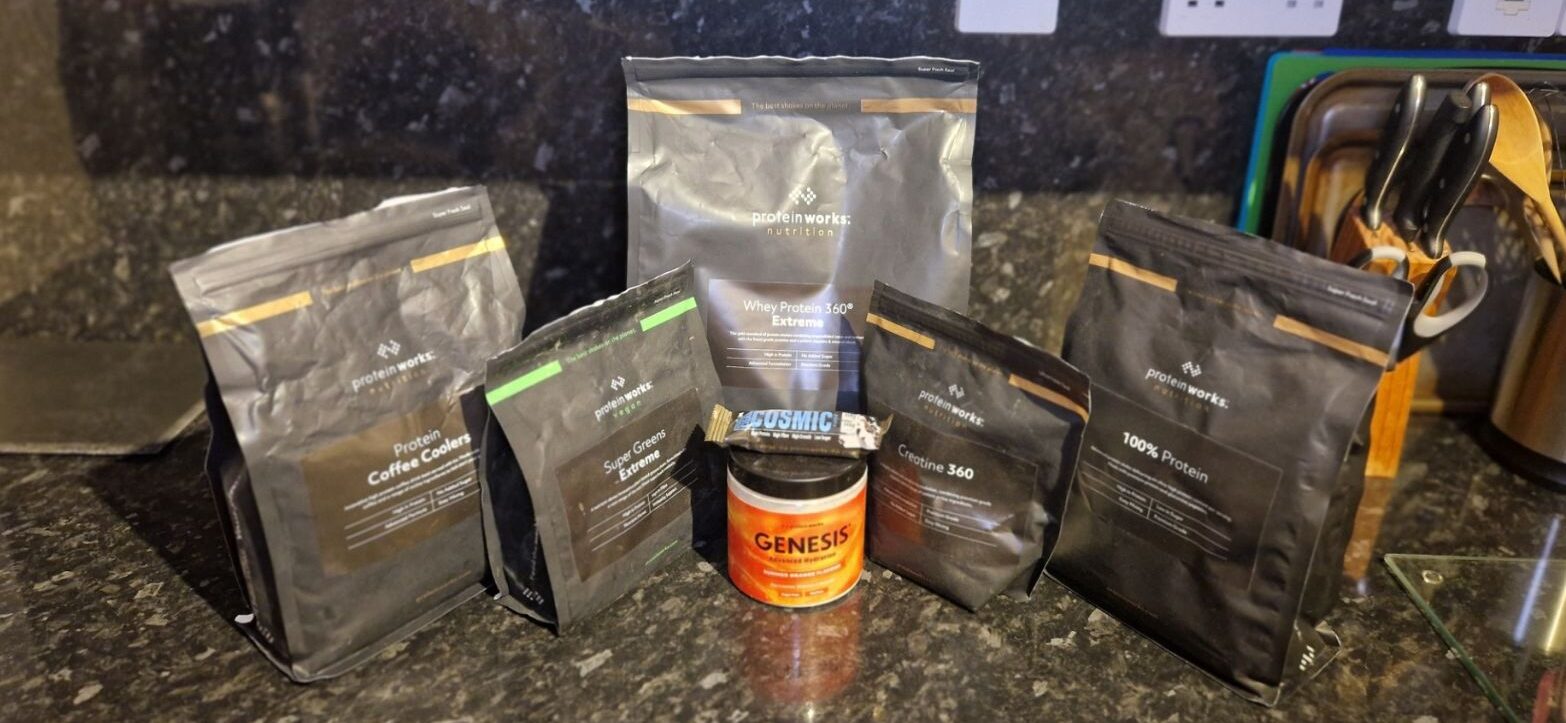
Some of the links below are affiliate links, which means I may earn a small commission at no extra cost to you.
- Protein powder I use regularly
- Protein bars for easy snacks
- Adjustable dumbbells for home workouts
- Resistance bands for beginners or travel
- Shaker bottle / blender for morning routines I use
- Magnesium supplement I use
- Eye mask for sleep I personally use
- Water bottle I would use (p.s I think the one I actually use has been discontinued 🙁 – but this is the one I would get next!)
- Fitness tracker I personally wear
