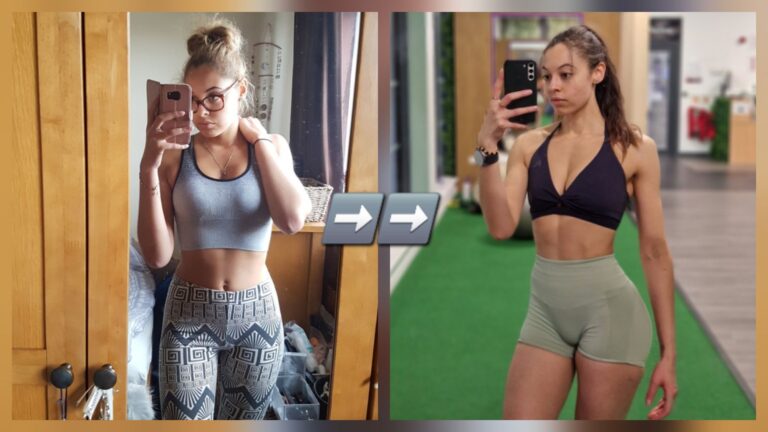
Why Am I Not Losing Weight In a Calorie Deficit?
If you have ever asked yourself the question “why am I not losing weight in a calorie deficit” then you are not alone. You track your calories. You train consistently. You say no to takeaways and yet nothing seems to work. You start to lose hope.
Many people feel as though their calorie deficit is not working. They feel stuck, frustrated and confused when they are doing everything right and yet the scale still does not move.
In most cases, fat loss has not actually stopped. It is simply being masked by normal physiological fluctuations such as water retention, stress, hormonal changes and small tracking inconsistencies.
Some people say they are in a calorie deficit but not losing weight. Others feel like they are losing fat but not weight. These are not the same thing.
In this article, I will break down the real reasons weight loss can stall in a calorie deficit and exactly what to do about it.
12 Reasons You Are Not Losing Weight in a Calorie Deficit
If you feel like your calorie deficit is not working, one of these reasons is usually responsible.
1. You Are Not Actually in a Consistent Deficit
Many people ask the question, “why am I not losing weight in a calorie deficit?” but when we look closely at their diet, the deficit is not always consistent.
A calorie deficit means you are eating fewer calories than your body burns over time. However, small inaccuracies can quickly add up and prevent fat loss from happening.
For example, liquid calories are often overlooked. Coffee drinks, smoothies, fruit juice and alcohol can add hundreds of calories without making you feel full. These calories still count towards your daily intake.
Weekend eating can also play a role. Many people track carefully during the week but eat more freely on Friday, Saturday and Sunday. Even a small surplus on weekends can cancel out a weekday deficit.
Restaurant meals are another common issue. Studies have shown that restaurant meals can contain significantly more calories than listed. Even when you think you are staying within your target, the actual intake may be higher.
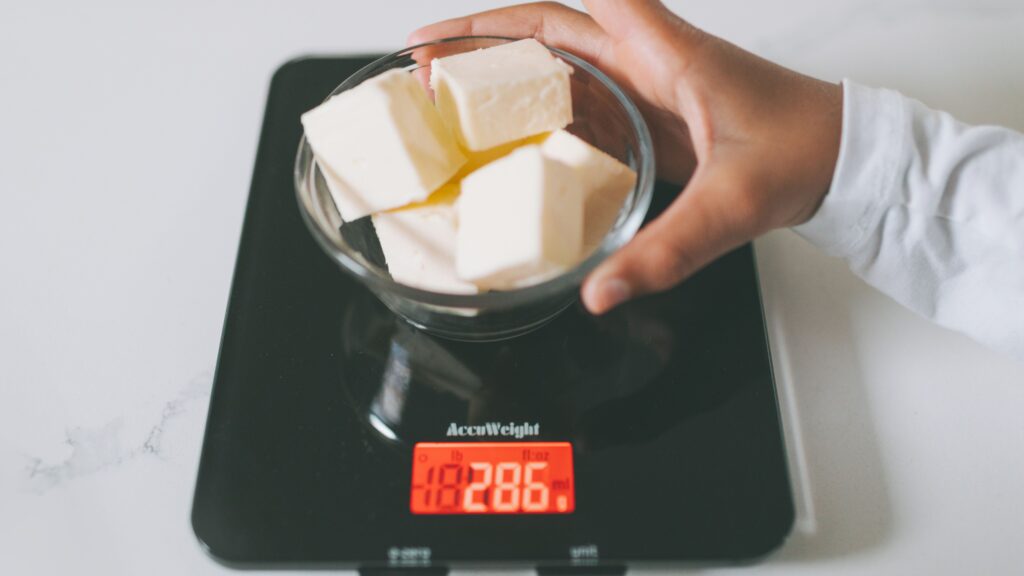
Small habits also add up. Tasting food while cooking, grabbing a handful of nuts, finishing someone else’s leftovers or estimating portions without weighing them can all lead to underestimating calorie intake.
Because of this, many people feel like their calorie deficit is not working or that they are not losing weight in a calorie deficit, when in reality their average calorie intake is simply higher than expected.
If your calorie deficit feels like it is not working, the first step is to review how consistently you are tracking your food. In many cases, tightening up tracking for a short period is enough to restart fat loss.
2. You Are Losing Fat But Gaining Muscle
Another reason people ask “why am I not losing weight in a calorie deficit?” is because the scale does not always reflect what is actually happening in the body.
When you start resistance training, especially if you are relatively new to it, your body can build muscle while losing fat at the same time. This process is often referred to as body recomposition vs weight loss.
Muscle is denser than fat, which means it takes up less space in the body. Because of this, you may be losing fat but not weight on the scale. Your body composition is improving even though the number on the scale is not changing dramatically.
This is particularly common for beginners or people returning to the gym after a break. When the body receives a new strength stimulus, it responds by building muscle tissue while also using stored body fat for energy if you are in a calorie deficit.
One useful indicator of this is your strength in the gym. If your lifts are increasing over time, it is often a sign that your body is adapting and building muscle. In other words, if your lifts are going up, you may be losing fat but not weight.
For this reason, relying on the scale alone can be misleading. Progress photos, body measurements and how your clothes fit can often tell a much more accurate story than body weight alone.

3. Water Retention Is Masking Fat Loss
Another very common reason people feel like their calorie deficit is not working is temporary water retention. The scale might stay the same or even increase slightly, even though fat loss is still happening.
This is one of the biggest reasons people think they are not losing weight in a calorie deficit, when in reality their body is simply holding onto extra water.
When you eat carbohydrates, your body stores them as glycogen in the muscles and liver. Glycogen binds to water in the body. For every gram of carbohydrate stored, your body can store roughly three grams of water alongside it. This means even small changes in carbohydrate intake can cause noticeable changes on the scale.
Sodium intake can also increase temporary water retention. Eating a higher salt meal than usual can cause the body to hold onto water for a short period of time. This does not mean fat gain has occurred.
Stress can play a role as well. Higher stress levels can increase the hormone cortisol, which is associated with water retention in some individuals.
For women, the menstrual cycle can also cause natural fluctuations in body weight. Many women experience menstrual cycle weight gain due to hormonal changes that influence water balance in the body.
Because of this, it is important to understand the difference between bloating vs fat gain. Bloating and water retention can make the scale fluctuate from day to day, but they do not reflect actual changes in body fat.
Many women ask why am I not losing weight in a calorie deficit, when in reality fat loss is occurring but being temporarily masked by normal physiological water fluctuations.
For this reason, looking at long term trends rather than daily scale changes is far more helpful when assessing fat loss progress.
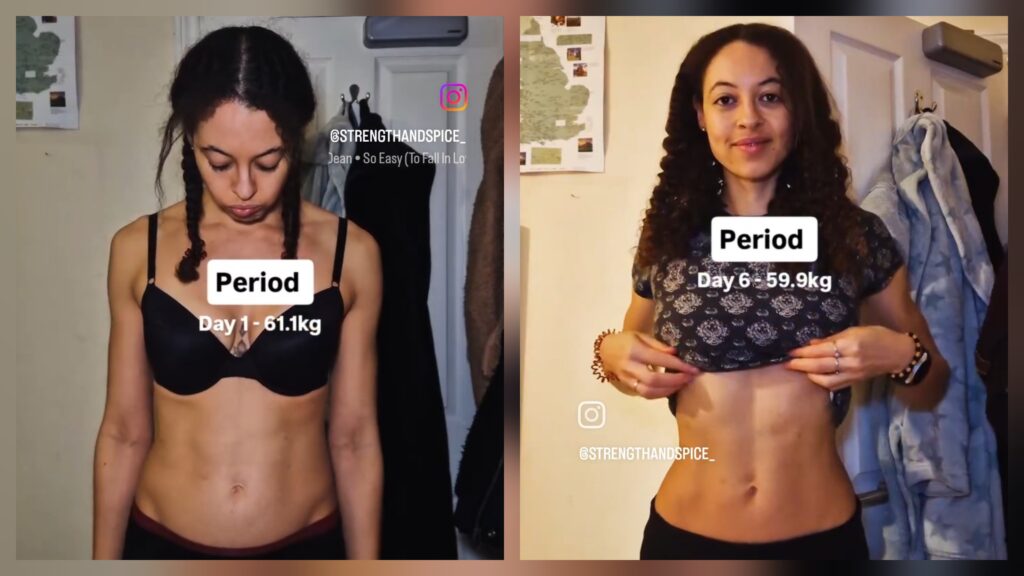
This example comes from my Instagram post showing how my weight dropped after the first few days of my period without changing my diet or training. This example shows how quickly scale weight can change due to water retention alone. You can see the full post on Instagram here: View the original post.
4. Your Step Count Has Dropped
Another reason people may feel like their calorie deficit is not working is a reduction in daily movement.
When you reduce your calorie intake, your body often responds by subconsciously conserving energy. One way it does this is by reducing how much you move throughout the day. This includes things like walking, standing, fidgeting and general activity.
This type of movement is known as non exercise activity thermogenesis, often shortened to NEAT. NEAT includes all the calories your body burns outside of structured exercise such as gym workouts or running.
When dieting, people often move less without realising it. You might take fewer steps, sit down more often, or feel less energetic throughout the day. Over time, this reduction in movement can reduce the number of calories you burn.
Because of this, a reduction in NEAT can sometimes contribute to a fat loss plateau, even if your food intake has not changed.
If your fat loss has stalled, it can be helpful to check your daily step count before cutting calories further. Increasing your daily movement, such as aiming for a consistent step target, can often help restart fat loss.
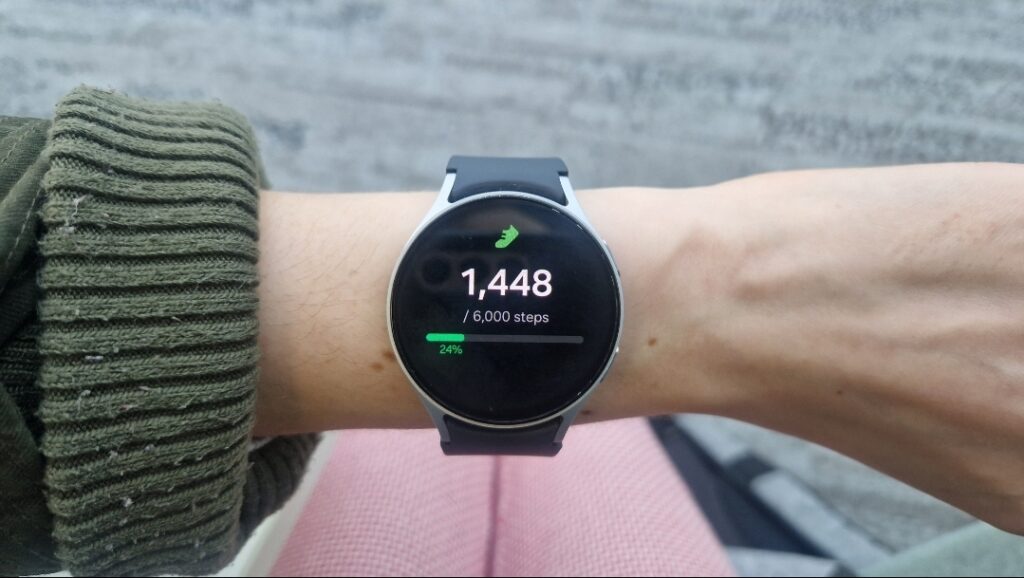
Even if your gym sessions stay the same, a reduction in daily movement can reduce total calories burned.
5. You Are Overestimating Calories Burned
Another reason people feel like their calorie deficit is not working is because they are overestimating how many calories they burn during exercise.
Many people believe they are in a deficit simply because they exercise regularly. However, exercise alone does not guarantee fat loss. Fat loss still depends on maintaining an overall calorie deficit over time.
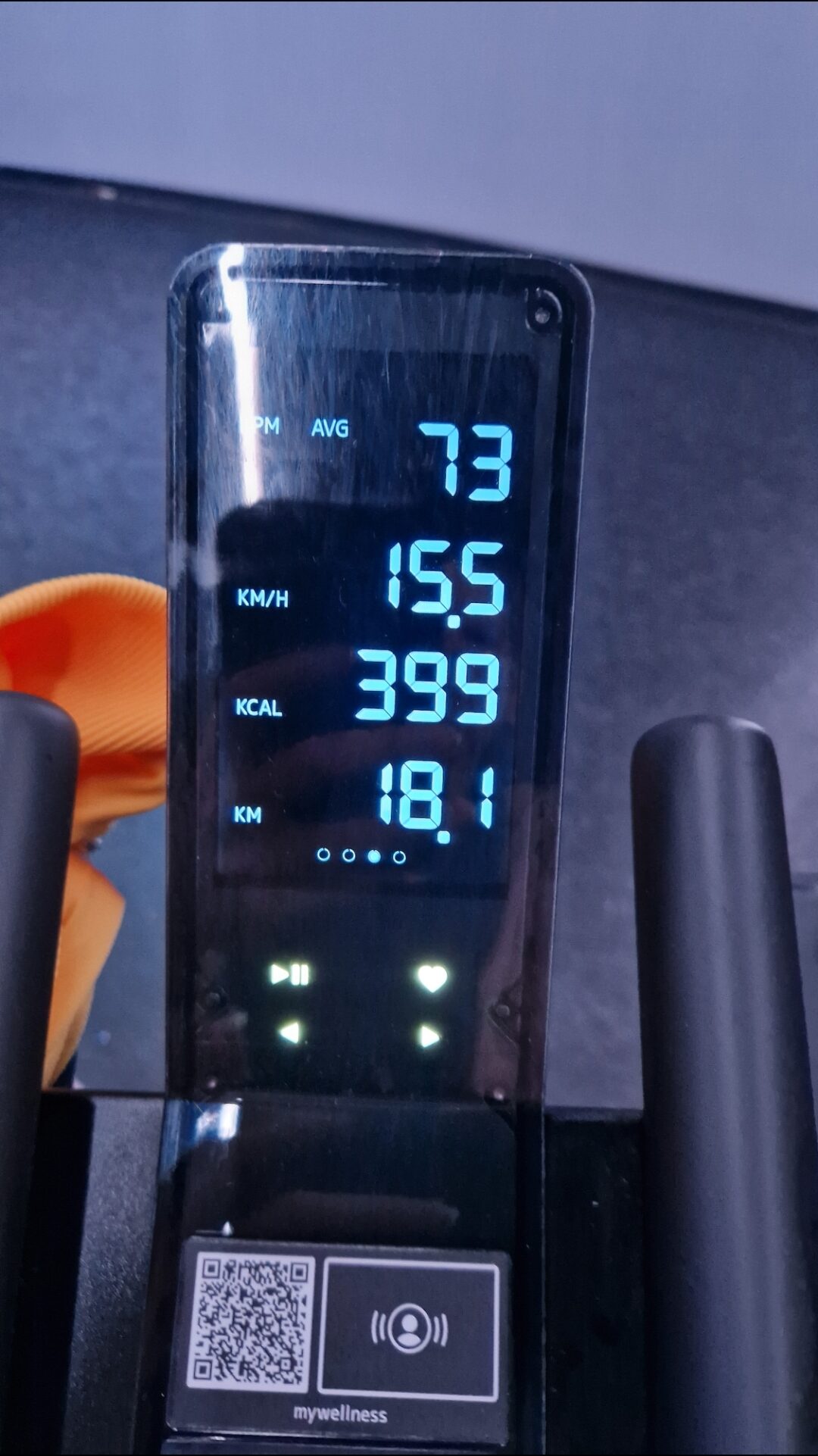
One common issue is the way calories burned are estimated on cardio machines. Treadmills, bikes and other gym equipment often display calorie burn estimates, but these numbers can sometimes be inaccurate. They may not take into account your individual metabolism, body composition or workout intensity.
Fitness watches and activity trackers can also overestimate calories burned. While they are useful tools for tracking movement, the calorie estimates they provide are still only rough approximations.
Another common mistake is eating back exercise calories. After a workout, people may feel they have “earned” extra food and increase their calorie intake. Over time, this can cancel out the deficit that the workout created.
Because of this, someone might be exercising regularly and still feel like their calorie deficit is not working. In reality, the extra calories consumed after exercise may be offsetting the calories burned during the workout.
Exercise is extremely beneficial for health, fitness and muscle retention during fat loss. However, it should be viewed as a tool that supports a calorie deficit rather than something that replaces it.
6. You Have Been Dieting Too Aggressively
Another reason people may feel like their fat loss has stalled is that their calorie deficit has been too aggressive for too long.
When calorie intake is reduced significantly, the body can begin to adapt to the lower energy intake. This process is sometimes referred to as metabolic adaptation. The body attempts to conserve energy by reducing the number of calories it burns throughout the day.
One way this can happen is through a reduction in daily movement. As discussed earlier, non exercise activity thermogenesis can decrease during prolonged dieting. People may move less, sit more often or feel more fatigued without consciously noticing it.
Hormonal changes can also occur during long periods of aggressive dieting. Hunger hormones may increase while hormones related to fullness may decrease, which can make maintaining a strict calorie deficit more difficult over time.
Because of these adaptations, some people may eventually reach a weight loss plateau, even if their diet has not changed.
However, a weight loss plateau does not always mean you need to eat less. In some cases, taking a short diet break or slightly increasing calories for a period of time can help restore energy levels and make the diet more sustainable.
For long term progress, focusing on sustainable fat loss is often more effective than trying to maintain an extremely low calorie intake for extended periods.

7. You Are Not Sleeping Enough
Sleep is often overlooked when people are trying to lose weight, but it can play a significant role in fat loss progress.
When sleep is consistently reduced, the body can experience changes in hunger and appetite hormones. For example, levels of ghrelin, the hormone that stimulates hunger, can increase when you are sleep deprived. At the same time, levels of leptin, the hormone responsible for signalling fullness, can decrease.
This combination can make you feel hungrier and less satisfied after meals, which may make it harder to maintain a calorie deficit.
Sleep also affects recovery from exercise. Poor sleep can reduce energy levels, lower motivation to move and make workouts feel more difficult. Over time, this can contribute to reduced daily activity and slower progress.
Many people also wonder does stress stop weight loss. While stress does not completely prevent fat loss, it can influence factors such as appetite, sleep quality and water retention. Stress hormones such as cortisol are sometimes discussed in relation to cortisol and weight loss, particularly because elevated stress levels may contribute to fatigue and changes in appetite.
For this reason, improving sleep quality and managing stress can support a more consistent and sustainable fat loss process.

8. Stress Is Increasing Water Retention
Stress can also play a role in temporary changes on the scale, which is why some people feel like they have reached a fat loss plateau even when their habits have not changed.
When the body experiences ongoing stress, whether from work, lack of sleep, intense training or life events, it can increase the production of stress hormones such as cortisol. Higher cortisol levels are sometimes associated with water retention and weight gain, which can temporarily increase body weight.
This does not necessarily mean body fat has increased. Instead, the body may simply be holding onto more water for a short period of time.
Stress can also affect other factors that influence fat loss. For example, people who are stressed may sleep less, feel more fatigued or experience stronger hunger signals. Over time, these changes can make it more difficult to maintain a calorie deficit consistently.
Because of this, periods of higher stress can sometimes make it seem like fat loss has slowed or stopped. In reality, the scale may just be reflecting temporary water retention rather than a true fat loss plateau.
Looking at longer term weight trends, rather than daily fluctuations, can help provide a clearer picture of progress.

9. Your Expectations Are Unrealistic
Another reason people feel frustrated with their progress is that their expectations for fat loss may be unrealistic.
Many people expect weight to drop quickly every week. However, healthy and sustainable fat loss is usually slower than people think. A realistic rate of fat loss is typically around 0.5% to 1% of body weight per week.
For example, if you weigh 70 kg, this would equate to roughly 350 g to 700 g per week. Some weeks may be higher than this and some weeks may be lower, but the overall trend over time is what matters most.
Because of this, it is normal for progress to appear slow when looking at the scale day to day. Small fluctuations from water retention, digestion or hormonal changes can easily mask changes in body fat.

This is why it is helpful to look at progress over several weeks rather than focusing on daily weight changes. When viewed over time, fat loss trends often become much clearer.
In many cases, people who feel like they are not losing weight in a calorie deficit are actually losing fat at a healthy and sustainable rate, but their expectations of how quickly the scale should change may be unrealistic.
Measurements such as waist circumference can often show fat loss progress even when body weight changes slowly.
10. You Are Measuring the Wrong Metrics
One reason people feel frustrated with their progress is that they rely on the scale as their only measure of success.
Body weight can fluctuate for many reasons, including water retention, digestion and hormonal changes. Because of this, focusing only on the scale can make it seem like progress has stalled even when fat loss is still occurring.
This is why it is helpful to track progress using multiple metrics rather than relying on body weight alone. In some cases, people may actually be losing fat but not weight, especially if they are building muscle through resistance training.
One useful approach is to look at weekly weight averages rather than daily measurements. Body weight can fluctuate from day to day, but weekly averages provide a clearer picture of the overall trend.
Progress photos can also be extremely helpful. Changes in body composition are often easier to see visually over time than they are to detect on the scale.
Taking body measurements, such as waist circumference, can provide another useful indicator of fat loss. These measurements can show progress even when body weight changes slowly.
Finally, tracking strength in the gym can offer valuable insight. If your lifts are increasing while your body measurements are improving, it is often a sign that body composition is changing in a positive direction.
Looking at these metrics together can provide a much more accurate picture of progress than the scale alone.
11. You Have Hit a True Weight Loss Plateau
After considering all of the previous factors, it is possible that you may have reached a genuine plateau.
A true weight loss plateau occurs when your weekly average body weight has not changed for around three to four weeks, despite consistent adherence to your calorie intake, training and daily movement.
Short term scale fluctuations are normal and do not indicate a plateau. Water retention, hormonal changes, digestion and stress can all temporarily affect body weight. This is why it is important to look at longer term trends rather than individual weigh-ins.
If your weekly average has remained stable for several weeks and you are confident that your calorie intake and activity levels have been consistent, then you may have reached a genuine plateau.
At this point, many people start wondering how long does a weight loss plateau last. In reality, plateaus can vary depending on individual factors such as body weight, activity levels and the size of the calorie deficit.
If progress has genuinely stalled, there are a few practical adjustments that may help. Reviewing your weight trends, activity levels and calorie intake together can help you understand how to break a weight loss plateau effectively.
First, review your calorie tracking to ensure your intake is still accurate. As body weight decreases, your calorie needs may also change slightly.
Second, look at your daily movement. Increasing your step count or overall activity level can increase energy expenditure without needing to reduce food intake further.
Finally, small adjustments to calorie intake may sometimes be necessary. This does not need to be drastic. A modest reduction in calories or an increase in activity can often be enough to restart fat loss.
For people wondering how to break a weight loss plateau, focusing on small, sustainable adjustments is usually more effective than making extreme changes.
12. You Are Comparing Yourself to Social Media
Another factor that can make fat loss feel frustrating is comparing your progress to what you see on social media.
Online transformations often show dramatic results over short periods of time, but these images rarely show the full context. Lighting, posing, editing and selective timelines can all make progress appear faster or more dramatic than it really is.
In many cases, people are comparing their everyday progress to someone else’s highlight reel.
Fat loss is very rarely perfectly linear. Real progress usually looks like small changes over multiple weeks or months rather than dramatic weekly transformations.
Focusing on your own habits, consistency and long term trends will give a much clearer picture of progress than comparing yourself to what you see online.
Why Am I Not Losing Weight Even Though I Am in a Deficit?
Many people say they are not losing weight despite a calorie deficit, which can feel confusing and really frustrating, especially when you believe you are doing everything correctly.
In most cases, fat loss has not actually stopped. Instead, the scale may be influenced by factors such as water retention, stress, changes in daily activity, or unrealistic expectations about how quickly weight should drop. In other situations, small tracking inaccuracies can reduce or remove the calorie deficit entirely.
Small inconsistencies in calorie tracking can reduce the size of a deficit without people realising it. Temporary water retention caused by hormonal changes, stress or higher sodium intake can also mask fat loss for short periods of time.
In other situations, people may actually be losing fat but not weight, especially if they are gaining muscle through resistance training or improving their body composition.
This is why it is important to look at longer term trends, body measurements, progress photos and strength in the gym rather than relying only on day to day scale changes.
When these factors are considered together, it often becomes clearer why progress may appear slower than expected even when a calorie deficit is in place.
What To Do If Your Calorie Deficit Is Not Working
If you feel your calorie deficit is not working, follow this structured approach before cutting calories further.
Fat loss can appear to stall for many reasons, but making drastic changes too quickly can often make things harder to manage long term. Instead, focus on reviewing the fundamentals first.
Use the checklist below to ensure the key factors supporting fat loss are in place.
1. Track your food accurately for seven days
Track everything you eat and drink for one full week. Use a food scale where possible and log all snacks, sauces, cooking oils and drinks.
This short period of accurate tracking can help identify whether your calorie intake matches your intended deficit.
2. Weigh yourself daily and use a weekly average
Daily body weight fluctuates due to water retention, digestion and hormonal changes.
Instead of focusing on individual weigh-ins, record your weight each morning and calculate a weekly average. This provides a much clearer picture of whether your body weight is trending down over time.
3. Keep your daily step count consistent
Daily movement can drop without people realising it when dieting.
Try to keep your step count consistent each day so your overall energy expenditure stays relatively stable.
4. Prioritise protein intake
Eating enough protein can help maintain muscle mass while dieting and improve satiety.
Many people aim for around 1.6 to 2.2 grams of protein per kilogram of body weight per day, although individual needs may vary.
5. Continue resistance training
Strength training helps preserve muscle mass during a calorie deficit and supports improvements in body composition.
If your strength is increasing in the gym, it can be a positive sign that you may be losing fat but not weight.
6. Prioritise sleep and recovery
Poor sleep can increase hunger hormones, reduce recovery and increase stress levels.
Aim for consistent sleep patterns and sufficient rest where possible.
7. Only adjust calories after two to four weeks
If your weekly average body weight has not changed after two to four weeks of consistency, then a small adjustment may be appropriate.
This could involve slightly reducing calorie intake or increasing daily movement. Small, sustainable changes are usually more effective than drastic reductions.
Frequently Asked Questions
Understanding the factors that influence fat loss can help you stay consistent and avoid unnecessary frustration when progress appears slower than expected.
Related Articles
If you are working on fat loss or improving your nutrition, you may also find these guides helpful.



About the author:

Hannah is a UK-based fitness content creator currently working towards her Level 2 Gym Instructor and Level 3 Personal Training qualification. Through Strength & Spice, she shares realistic, evidence-informed guidance on training, nutrition and building confidence in the gym. You can follow her training journey, food ideas, and educational content on Instagram at @strengthandspice_.